By Björn E W Nordenström,M. D., Professor
Emeritus of Diagnostic Radiology, Karolinska Institut and Hospital, Stockholm, Sweden
Printed in Sweden by Almqvist & Wisell Tryckeri, Uppsala 1998
This book may be obtained from the publisher Nordic Medical Publications/Ursus Medical AB,
Arsenalsgatan 4, SE-111 47 Stockholm, Sweden. Telephone: +46 8 6797475, Telefax: +46 8 6797220.
Price USD 39.-plus postal expenses.
Shipping weight 0,6 kg. Price EUR 29,- plus postal expenses. Shipping weight 0,6 kg.
ORDER:
Send your contact details by E-mail to info@ursus.se or
Telefax +46 8 6797220
or use our contact form
From "Exploring
BCEC-systems": Foreword
by Prof George D. O'Clock, Ph.D:
When I read Dr. Björn Nordenström's first book
Biologically Closed Electric Circuits (BCEC) I did not understand it. I believed in his
basic premise, that the human body has an additional electrical circulatory system. This
system involves the co-transport of ions and electrons that form continuous electric
currents in various portions of the body. But I had a difficult time reading and
understanding his first book. I read it over and over again, and I still had difficulties
getting "the message". I thought, "Maybe this material is just too complex
for me."
Then, it all came together in a flash. In a moment of inspiration I realized that my
problems with understanding his book was not because it contained complex material. The
real reason that I was having difficulty understanding Dr. Nordenström's message was
because -- - his message is simple - - - the theory behind it is simple. My preconceived
notions were the source of the complexity that I had imagined. All I had to do was toss
out a few preconceived notions, ignore some of my previous training in biomedical sciences
and use a conceptual model that is not much more complicated than the electrical circuits
involved with an automobile battery. Dr. Nordenström has a unique talent of observing
seemingly complex phenomena, questioning the meaning of the phenomena and describing the
theory behind that phenomena in relatively simple terms.
Dr. Nordenström sees what others do not see or recognize as being significant. Next to
him, I feel like a blind man. Where others see blips and artifacts on a cancer patients's
radiograph, Dr. Nordenström sees movement of water and material. He sees (and measures)
electric potentials between a tumor and healthy tissue. He, then, proposes a theory of
Biologically Closed Electric Circuits (BCEC). From this theory, he develops
electrotherapeutic techniques to treat cancer and other diseases. His theories are
"put to the test", and they pass with flying colors.
Some will look at a colored region on a gel that has been electrically excited. Most will
view the colored region as a blot of color. Dr. Nordenström sees spiralling vorteces of
charged matter. Some people look into the vastness of space and see it as "empty
space". Dr. Nordenström looks at the vastness of space and sees it as being full of
lifegiving energy. He views space as a vessel storing the energy resources that serve as
the foundation for all living things.
Björn Nordenström has the mind of a medical doctor, scientist, engineer, poet, musician,
philosopher and child who keeps asking; "Why?" He often tempers his judgements
with the realization that "nothing is as it seems". "We must rigorously
test our theories." Dr. Nordenström is a man with many questions, who is not chained
by dogma. If the dogma is clearly wrong, outdated or does not make sense; Dr Nordenström
has the brilliance and courage to change that dogma or develop a new one. In doing so, he
irritates those who are chained by their dogma and preconceived notions. This is a man who
can have an emotional and intellectual impact on all of us if we just let him "rattle
our chains".
BCEC concepts and the electrotherapeutic techniques that are evolving from these concepts
are extraordinary developments in the history of medicine. Many biomedical researchers
have expressed the opinion that "If Dr. Nordenström is wrong, his work and results
still provide significant motivation for us to look at biological systems in a different
way." "However, if Dr. Nordenström is right, he will have made the most
significant discovery and contribution to medicine since William Harvey described blood
circulation more than 350 years ago. "There are many similarities between the
research effort, approach and initial reactions to the work done by William Harvey and
Björn Nordenström. Using what was known about physiology, mathematics and physics in his
time; Harvey's experiments demonstrated that blood circulated at an unbelievably high
velocity. Blood did not just "ebb and flow" as the dogma of the time maintained.
Many of Harvey's colleagues demonstrated a Stage 1 medical reaction (instant rejection
coupled with anger and ridicule). But the concepts Harvey developed had enough relevance
in medicine that, over a long period of time, attitudes changed; and the Stage 2 medical
reaction (reluctant acceptance) began to dominate medical thinking and practice. In a
similar manner, for the past 30 years, Björn Nordenström has utilized concepts in
physics, mathematics, chemistry, physiology and immunology; combined with a massive amount
of experimentation; to describe a system of continuous energy circulation and circulating
electrical currents in living systems. Dr. Nordenström demonstrates how "circulating
currents influence structure and function. These currents participate in maintaining
equilibrium and healing processes in living organisms." Dr. Nordenström's
concepts of continuous energy circulation, the interrelationships between life and death;
proliferation and regression, energy and matter and macroscopic and microscopic phenomena
appear very clear to me.
Dr. Nordenström initially encountered a significant amount of the Stage 1 medical
reaction from his colleagues. However, in a manner similar to William Harvey's experience,
Dr. Nordenström's concepts work very well when they are applied to medical practice.
Thousands of cancer patients have been successfully treated all over the world (Sweden,
China, Germany, Italy, Denmark and Poland) with an electrochemical therapy (EchT) approach
that was initially developed using BCEC concepts. It is just a matter of time before the
Stage 2 medical reaction occurs with respect to Dr. Nordenström's BCEC theories and the
electrotherapeutic techniques derived from his BCEC concepts.
To appreciate Dr. Björn Nordenström, this is the book you need to read first. Once you
have finished this book, I would recommend that you read the other one authored by Dr.
Nordenström, Biologically Closed Electric Circuits. But before you read either book, open
your mind and try to ignor your biases. Try to view the author as a brilliant, gentle,
wise and knowledgable renaissance man who is firm in his convictions. Some would say
"stubborn". (I think the word "firm" is more appropriate). Regard
Björn Nordenström as a guide and good friend with a firm hand, who is going to take you
on a very interesting adventure. The places he takes you may scare you a bit, but your
guide and friend has a strong grip on your hand. He won't let go. And when your journey is
finished, you will have been given the privilege of viewing the next paradigm in
biomedicine by the man who was the first to describe it in a way that it can be understood
and applied.
George D. O'Clock, Ph.D.,
Professor College of Science,
Engineering and Technology, Mankato State University
Mankato, MN 56002-8400 USA, May, 1998
From The American Institute of Stress; Book
Review
By Paul J. Rosch, M.D., F.A.C.P. Editor:
Exploring BCEC-systems (Biologically Closed
Electric Circuits), by Björn E. W.
Nordenström, M.D., Nordic Medical Publications Arsenalgatan 4, S-111 47 Stockholm,
Sweden, 1998, $39.00
The events leading up to this book began well
over four decades ago, when the author became intrigued about the origin and composition
of a "halo-like" disturbance that could occasionly be seen around lung
malignancies on routine x-rays. It was never present with tumors that were benign. None of
his radiological colleagues could offer an explanation for this curious phenomenon, nor
did elicit much interest. Most consider it to be an artifact, but Nordenström thought it
might represent some sort of energy disturbance that could provide an important clue to
the nature of malignancy. He has devoted his life to exploring this ever since in a
multidisplinary approach that has required innovative basic research, animal and clinical
investigations. This book is a sequel to his 1983 tome Biologically Closed Electric
Circuits, in which he proposed the existence of a previously unappreciated electrical
circulatory system in the body. Some reviewers put this on a par with William Harvey's
1628 treatise on the circulations of the blood, and one commented, "If he is right,
he has made the most profound biomedical discovery of the century". Subsequent events
suggest that this prophecy may not be far from the mark.
Nordenström has proposed that there is a local built-up of positively charged ions
following injury that creates an electrical voltage potential between opposite ions that
are separated. Much as occurs in a battery, this energy can be tapped once the circuit is
closed to permit the flow of electricity between these charged areas. Based on this, he
has demonstrated how specific DC microcurrents that restore ion electricity balance can be
utilized to treat metastic lung cancer and other malignancies with amazing success, and
his therapeutic triumphs have now been replicated by others in thousands of patients. His
Biologically Closed Electric Circuits (BCEC) concept has also stimulated research to
explore other possible clinical ramifications, resulting in very promising picotesla
stimulation approaches for the treatment of Parkinson's disease, epilepsy, multiple
sclerosis and other neurodegenerative disorders.
Björn Nordenström's credentials are impeccable. He has served as Chairman of the
Department of Radiology at Karolinska Institute, and President of the Nobel Assembly that
selects the Nobel Laureate for Physiology or Medicine. He also pioneered the development
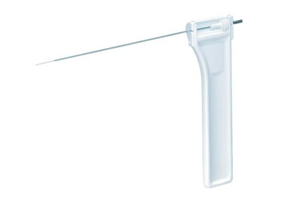
of the balloon catheterization and needle biopsy techniques responsable for breakthrough
advances in diagnosis and treatment. One can only wonder how he found the time to perform
so many detailed experiments in developing his BCEC pathways theory. In this remarkable
book, he has dramatically expanded this to provide a panoramic perspective of how these
networks can also communicate with the external environment. This ranges from explaining
why the tail of a cat acts as an antenna to detect danger and how animals keep their fur
clean, to the origins of life, and the universe. Just as a cat's tail can receive subtle
energy signals, there is good reason to suspect that the thousands of acupuncture points
in the body may function in a similar fashion, much like a sophisticated radar system.
Acupuncture points that have been known since antiquity have been demonstrated to have
electrical characteristics different from surrounding skin areas. These electrical
properties can be influenced by mental processes and force fields emanating from chi
gong masters, and the latter can be readily visualized using Kirlian and even
conventional photography. Similar subtle energies generated internally may act in an
analogous fashion. Thus, EEC waves may not simply reflect the noise of the machinery of
the brain, but rather signals being sent to specialized sites in the body. Such a paradigm
could help to elucidate a variety of well ackowledged but unexplained mind/body phenomena,
such as placebo and nocebo effects, and the spontaneous remission of cancer and other
salubrious rewards reported in individuals with a firm faith, The basic defect in the cell
is that its growth cannot be controlled, because it fails to communicate normally with its
healthy neighbors. Is it possible that having a strong faith or belief generates a feeling
of control, and that somehow this message filters down to cancer cells through BCEC or
other pathways yet to be delineated?
It is clear that thousands of year ago, a well developed system of medicine existed
based on the premise that health depended on the circulation throughout the body of chi
(Qi), a vital energy that traveled through prescribed pathways called meridians.
Illness resulted when the normal flow of chi was blocked, and such imbalances
could be corrected by inserting needles (acupuncture), or applying lodestones (magnetic
fields), at specific sites where these meridians were close to the skin. Health was also
impaired if the level of chi was deficient, or there was a disturbance in
th balance of its complementary components yin and yang. While
Western medicine has generally disregarded or scoffed at such notions, the numerous
benefits of acupuncture, magnetic field and other subtle energy therapies have been
increasingly verified and accepted. The energy emanating from chi gong masters
has been show to exert the same influence on AT synthesis as a magnetic field, and
the ability of certain healers to produce voltage surges of 100 volts and more in
recipients several feet away has also been convincingly demonstrated in scientific
studies.
Nordenström now suggests that the forces flowing in BCEC's may be thought of as chi,
with positive and negative charges that are comparable to yin and yang.
He offers other analogies with ancient Oriental concepts of how the chi in Nature
can affect human healt, performance, and possibly aging. Life span varies greatly in
animals, plants, and even different tissues in humans, and it is believed that the life of
a cell is genetically predetermined by limiting the number of times it can divide and
reproduce itself. This process of programmed cell death, called apoptosis, is specific for
each cell. Nordenström suggests that bioelectromagnetic forces can influence either
regression (apoptosis) or proliferation (regrowth and survival) by explaining how a
tree preserves its life during the cold winter by altering metabolic activities to
sacrifice its leaves in the fall. In the spring, apoptotic regression is replaced by
proliferative regeneration, when energy preserved in the tree is activated by heat to
again produce the same kind of leaf. He shows in one Kirlian photograph how even a leaf
that is "dead", still ha energy in the form of a surrounding corona or
halo. This repetitive cycle of death and rebirth constantly takes place in other systems,
and in the Chinese view of Nature, are interrelated to provide balance, as in the Sheng
and Ke cycles of ongoing regeneration and destruction for the five elements and
their associated organs, which is also illustrated.
It is important to recognize that theories don't have to be correct, only facts do.
Some theories are valuable because of their heuristic merit, in that they stimulate others
to discover new facts that eventally lead to improved theories. And the facts are
that Nordenström's cancer therapy protocol does work. Whether it will be eventually shown
that it does so for reasons other than he proposes remains to be determined. Under
any circumstances, this stimulating book provides a glimpse into what 21st Century
medicine may be like, and the awesome potential for selfhealing that resides in each of
us.
Paul J. Rosch, M.D., F.A.C.P.
Editor
Björn E.W. Nordenström
Extract of Publications on Functional and Structural Expressions in Biology and Medicine
which Depend on Biologically Closed Electric Circuits (BCEC) and Their Network of
Integrated Mechanisms
(Numbers refer to the complete
List of Publications)
100. Nordenström BEW: Electric
potential fluctuations in the liver. IRCS 2:1666 (1974).
102. Nordenström BEW:
Electrocoagulation of small lung tumors. In Current concepts in radiology.
Potchen EJ
(ed). Mosby, St. Louis 3:331-347 (1977).
108. Nordenström BEW: Preliminary
clinical trials of electrophoretic ionization in the treatment of malignant tumors. IRCS
6:537 (1978).
116. Nordenström BEW:
Biologically Closed Electric Circuits (BCEC): Clinical experimental and theoretical
evidence for an additional circulatory system. Nordic Medical Publications. Stockholm
(1983).
117 Nordenström BEW: Biologically
closed electric circuits: Activation of vascular interstitial closed electric circuits for
treatment of inoperable cancers. J Bioelectricity 3:137-153 (1984).
120. Nordenström BEW:
Electrochemical treatment of cancer. Ann Radiol 28:128 129 (1985).
121. Nordenström BEW: Biokinetic
impact on structure and imaging of the lung: The concept of biologically closed electric
circuits. AJR 145:447-467 (1985).
122. Nordenström BEW: Direct
current treatment of lung cancer. In Neoplasie del torace. Veronesi U, Pezzuoli
G, Ravasi O, Santoro O (eds). Casa Editrice Ambrosiana, Milano, pp 219-226
(1986).
123. Nordenström BEW: An additional
circulatory system: Vascular-interstitial closed electric circuits (VICC). J Biol Phys 15:43-55
(1987).
125. Nordenström BEW: An
electrophysiological view of acupuncture. Role of capacitative and closed circuit currents
and their clinical effects in the treatment of cancer and chronic pain. Am J Acupuncture
17:105-117 (1989).
126. Nordenström BEW: Akupunktur
und geschlossene biologische Stromkreise. Akupunktur - Theorie und Praxis 17:90-97 (1989).
127. Nordenström BEW:
Electrochemical treatment of cancer by activation of vascular-interstitial channels. In
New radiologic imaging and intervention in general surgery. Ussia G, Bassi F, Feirucci JT (eds). Masson,
Milano, pp 143 159 (1989)
128. Nordenström BEW:
Vascular-interstitial-neuromuscular activation: Differences in femoral and sciatic nerves
in the rat. J Bioelectrieity 8:109-117 (1989).
129. Nordenström BEW:
Electrochemical cancer treatment. In Interventional radiology. Dondelinger RF,
Rossi P, Kurdziel JC, Wallace S (eds). Thieme, Stuttgart, pp 498-504 (1990).
130. Nordenström BEW:
Electrochemical treatment of cancer. 1. Variable response to anodic and cathodic fields.
Am J Clin
Oncol (CCT) 12:530-536 (1989).
131. Nordenström BEW, Eksborg S,
Beving H: Electrochemical treatment of cancer. 11. Effect of electrophoretic influence on
Adriamycin. Am J. Clin Oncol (CCT) 13:75-78 (1990).
132. Eksborg S, Nordenström BEW,
Beving H: Electrochemical treatment of cancer. Ill. Plasma pharmacokinetics of Adriamycin
after intraneoplastic administration. Am J Clin Oncol (CCT) 13:164-166 (1990).
133. Beving H, Eksborg S,
Nordenström BEW: Electrochemical treatment of cancer. IV. Leukocyte and platelet counts
in peripheral blood after electrochemical treatment of solitary lung neoplasms. Am J Clin Oncol (CCT)
13:167-170 (1990).
134. Nordenström BEW: Vesicles,
basement membranes and the endothelial fibrin film as possible products of biological
electrode reactions. In Electropharmaco logy. Eckert Gil, Gutmann F, Keyzer H
(eds). CRC Press, Boca Raton, pp 189 203 (1990)
135. Nordenström BEW: I.
Neurovascular activation requires conduction through vessels. Physiol Chem Phys & Med
NMR 21:249-256 (1989)
136. Nordenström BEW, Larsson H:
I1. Slow and rapid electrical pulses in the caval vein at pain-evoked leg contraction in
the rat. Physiol Chem Phys & Med NMR 21 257-264 (1989).
137. Nordenström BEW: Ill. The
action potential; An effect of fuel cell reactions in the synapse. Physiol Chem Phys 8 Med
NMR 21:265-278 (1989).
138. Nordenström BEW, Kinn AC,
Elbarouni J: Electric modification of kidney function. The excretion of
radiographic contrast media and Adriamycin. Invest Radiol 26:157-161(1991).
139. Azavedo A, Nordenström BEW,
Svane C: Radiological evidence of response to electrochemical treatment of breast cancer. Clin Radiol
43:84-87 (1991).
140. Kinn AC, Nordenström BEW,
Elbarouni 3, Nilsson 1: Effects of direct current on renal function. Urol Res 19:397-400
(1991).
143. Nordenström BEW: Link between
external electromagnetic field and biological matter. Intern J Environmental
Studies 41:233-250 (1992).
144. Nordenström BEW: IV.
Electrical pulses appear in the inferior vena cava and abdominal aorta at contraction of
leg muscles. Physiol Chem Phys & Med NMR 24:147-152 (1992).
145. Nordenström BEW,
Larsson H, Lindqvist M: V. Potential differences in the inferior vena cava and between
cava and extravascular electrode at leg contraction in man. Physiol Chem Phys & Med
NMR 24:153-158 (1992).
146. Nordenström BEW: Rand
movements above the unshielded tail of a shielded rat induce differences of voltage inside
the animal. Amer J Acupuncture 20:157-163 (1992).
147. Nordenström BEW: Impact of
biologically closed electric circuits (BCEC) on structure and function. Integrative Physiological and
Behavioral Science 27:285 303, (1992).
148. Nordenström BEW, Ipavec S,
Alfas S: Interferences of electromagnetic field with biological matter. Intern J Environmental
Studies 42:157-167, (1992).
149. Nordenström BEW: Vl. Synaptic
fuel cell reactions in vascular-interstitial neuromuscular (VINM) closed circuits. Theory
of neuromuscular activation. Electro- and Magnetobiology 12:99-115 (1993).
150. Nordenström BEW. Näslund I. Nordenström J. Wersäll P (eds):
Proceedings of the IABC International Association for Biologically Closed Electric
Circuits (BCEC) in Medicine and Biology. Scandinavian University Press. Suppl 574. (1994).
151. Nordenström BEW: Principle of
electrostatic voltage impact on ionic membrane pumps leading to partial dissolution of
metastases, followed by total regression after chemotherapy. Internal Medicine 2:79-91, (1994)
152. The paradigm of biologically
closed electric circuits (BCEC). Internal Medicine (in press).
153. Nordenström BEW: Exploring
BCEC-systems (Biologically Closed Electric Circuits). Nordic Medical Publications. Stockholm.
(1998).

Biologically Closed Electric Circuits (BCEC)
CLINICAL, EXPERIMENTAL
AND THEORETICAL EVIDENCE
FOR AN ADDITIONAL CIRCULATORY SYSTEM
By Björn E W Nordenström, M.D., Professor Emeritus of
Diagnostic Radiology,
Karolinska Institute and Hospital, Stockholm, Sweden
1983, 295 x 210 mm, XVI + 358 p, ISBN 91-970432-0-6 ,
Cloth Richly illustrated in b/w and color. Published by and available from Nordic Medical
Publications/Ursus Medical AB, Arsenalsgatan 4, SE-111 47 Stockholm, Sweden. Telephone: +46 8 6797475,
Telefax: +46 8 6797220.
Price: Sold Out.
We recommend you to to order The BCEC-extension.
You can read this book online at Google Book Search
"Nordenström's theory offers important implications
throughout the entire range of normal and pathologic physiology. With profound conviction,
I dare assert that no vital process can be fully understood without considering this new
electrophysiologic theory. A vast field of multidisciplinary research is opening before
us. Numerous concepts which today are confusing, including chemotaxis, are here clarified.
I cannot resist emphasizing the fascinating and broad medical scope of this book, i.e. a
new view on carcinogenesis and a therapeutic mode against cancer which theoretically
offers possibilities against diverse inflammatory states, fractures, atheromas and
neurologic complications of various diseases. Moreover, this book offers new scientific
bases which will reorient future research on a wide range of hitherto poorly understood
processes, e.g., acupuncture, oral galvanism, meteorologic influences on human beings,
types of adipose tissue, diverse secretory mechanisms, diurnal cycles and embryogenesis.
This list of disparate functions leaves unmentioned many other applications. In
particular, extrapolation of the theory at the intracellualar level offers many possible
consequences.
The coming years will see a wealth of experimentation
derive from this new approach to electrophysiology. Its full importance is today
impossible to appreciate. For example, disparities of findings noted heretofore between in
vitro and in vivo work can now be assessed anew. The implications of Nordenström's theory
appear far-reaching even beyond today's most enlightened suspicions."
Jacques C Hauton, D.M.D.Sc, Professor of Biochemistry,
Institut National de la Santé, France
Content:
I. Summary. II. Radiographic detectability of corona
structures. III. Corona structures around malignant and benign neoplasms in the lung. IV.
Corona structures around inflammatory lesions, incl. those of silicosis. V. Discussion of
the radiological observations of corona structures. VI. Electric potentials in normal
lung, pleura and liver and in focal pulmonary lesions, incl. bronchogenic carcinoma. VII.
Spontaneous development of the fluctuating injury potential in tissue. VIII.
Concentration-dispersion forces: A brief review of intermolecular physical behaviour. IX.
Water: Electroosmotic transport over closed electric circuits. X. Corpuscular movements
and structrual development: Effects of molecular and electric field forces. XI. Structural
effects on an artificial tumour in dog lung. XII. Biologically closed electric circuits
(BCEC). XIII. Energetics of BCEC systems, ionars and ergonars. XIV. Experimental
activation of vascular-interstitial closed circuit effects. XVI. Tissue transformations
over BCEC in cancer of the breast. XVII. Applications of the principle of BCEC for
treatment of cancer. XVIII. Afterword: A discussion of principles and consequences
of biologically closed circuits (BCEC).
From Investigative Radiology; Book
Review
Vol.19, Sept/Oct, N:o 5, 1984:
Editor's Note
It has not been the policy of Investigative Radiology to
publish book reviews. However, the work by Nordenström reviewed below presents such
fundamental and far-reaching concepts that a review was deemed desirable in order to call
this book to the attention of those who read Investigative Radiology. The importance of
the concepts presented in Dr. Nordenströms book cannot be overemphasized. Those who are
interested in fundamental biological observations will be fascinated by the logical
progression of this most imaginative work.
Biologically Closed Electric Circuits,
Björn E. W. Nordenström, MD,
(Nordic Medical Publications/Ursus Konsult AB, Arsenalsgatan 4, SE-1ll 47 Stockholm, Sweden),
This remarkable book introduces a new physiologic concept
that could solve many long-standing biologic problems. This far-reaching concept evolved
from a series of ingenious experiments that began with the author's search for the
explanation of a curious pattern that he observed on a chest x-ray about 30 years ago. His
investigations carried him well beyond the original problem and produced original insights
into such fundamental processes as wound healing, organ development and differentiation,
and extra-cellular fluid dynamics. The primary direction of the book is understanding the
interaction of malignant tumors with their surrounding tissues. It leads on the one hand
to a possible mechanism of carcinogenesis and on the other to a proposed new mode of
therapy of malignancies.
Dr. Nordenström has discovered a new circulatory system that is based on spontaneously
occurring electrical potentials. Potential gradients have long been known to develop in
normal organs as a result of metabolism and in injured or diseased tissue as a result of
hemorrhage or necrosis. The investigations detailed in this book reveal that these
potentials are more than just a source of error in bioelectric measurements, that, in
fact, they drive electric current through what the author calls biologically closed
electric circuits (BCEC).
Blood plasma and interstitial fluid are examples of ionic media capable of effectively
conducting current. Blood vessel walls and the cells and membranes that surround
interstitial spaces insulate these conducting media from their surroundings. Plasma and
interstitial fluid are electrically joined across capillary membranes. Thus, blood vessels
and interstitial spaces function as insulated electric cables that carry current and
transport charged particles over short and long distances. Other BCEC probably also exist,
but the book examines this particular circuit in detail, documenting its existence and
function with a series of experiments using physical analogs of biologic organs and organ
systems, animal models, and tumor and tissue specimens obtained at autopsy or surgical
resection. The resultant hypotheses are tested in a series of careful and humane
diagnostic experiments and therapeutic trials performed on consenting human volunteers
with malignant diseases.
Credit should be given to Dr. John Austin who spent many hours revising the manuscript.
The book is written in a lucid, concise prose style and presents its material in
approximately chronologic order. Thus, the reader is shown the stepwise development of
this complex concept in what must be very close to the way that the author himself arrived
at his conclusions. This method of presentation tantalizes the reader as it builds from
the proposal of a simple hypothesis to its experimental documentation to the next
hypothesis, and gradually but convincingly expands the reader's understanding as the
investigations progress to more and more basic levels of biologic insight. Like most
significant scientific innovations, the ideas are simple and, once proposed, the reader
must wonder why something so obvious took so long to surface. Yet the originality or the
hypotheses, the thought processes that led to them, and the experiments that prove them
are astounding.
In the mid 1950s Dr. Nordenström observed a peculiar series of radiating and
circumferential patterns surrounding a primary carcinoma of the lung on a chest
radiograph. He called this pattern corona structures, because of the similarity to the
corona of the sun. A prospective study over several years revealed that corona structures
were present with considerable frequency around pulmonary malignancies, pulmonary
granulomas, and even hamartomas. The book begins the analysis of these structures with a
careful description using radiographs of many patients and using serial radiographs of the
same patient. The alteration of corona structures with time and the disappearance of some
of them with the development of pneumothorax led Dr. Nordenström to postulate that some
parts of this radiographic pattern resulted from an unexplained effect of pulmonary masses
on distribution of lung water. Thus began a series of experiments that resulted in his
conclusion that fluctuating electrical potentials originating within lung masses could
alter extracellular fluid dynamics. The author demonstrated that electrical potentials do
exist within lung masses by performing a series of measurements in patients undergoing
needle biopsy. After preliminary experiments, he succeeded in reproducing corona
structures in dogs by inplanting artificial "tumors" that produced potential
gradients similar to those measured in human pulmonary masses.
The text proceeds to an investigation of the anatomy and
physiology of these phenomena and leads to the development of the concept of energy
conversion over BCEC. Along the way, explanations of a number of other biologic phenomena
are proposed. After demonstrating that electrical potentials are spontaneously generated
in organs such as the spleen, and that potentials of this magnitude lead to formation of
fibrous tissue at electrical interfaces, the author postulates that organ capsules and
other fibrous surfaces such as pleura and peritoneum are formed by BCEC.
Platelets and leukocytes carry a surplus of fixed
electronegative surface charges. Thus a spontaneously occurring positive polarity in
injured tissue results in accumulation of platelets and then thrombosis of capillaries
surrounding a site of injury. This mechanism can also account for attraction of leukocytes
to a site of positive electrical potential in injured or diseased tissue.
To test the possibility that BCEC alter the tissue environment around tumors in organs
other than the lung, the author undertook a series of experiments with human and animal
breast tissue and human breast neoplasms. He demonstrated in a series of mammograms that
corona structures similar to those that surround lung masses are present quite commonly
around tumors of the breast. Spontaneous electrical potentials occur in breast tumors,
just as in lung masses, and have a similar effect on tissue water distribution. However,
the abundant fat in breast tissue permitted some even more surprising observations.
Histologically normal human breast fat obtained from mastectomy specimens, when subjected
to electrophoresis, developed fibrosis similar to the desmoplastic reaction that surrounds
breast tumors. Within this desmoplastic tissue, structures developed that were
histologically similar to primitive ductal and vascular channels. The author suggests that
this may explain the mechanism by which tumor angiogenesis occurs. Similar in vitro
experiments produced microcalcifications similar to those found in breast malignancies in
previously normal breast fat.
This seminal work opens important new subjects for
research and may ultimately explain many heretofore inexplicable biologic phenomena.
However, it is more than a scholarly report of a massive research effort. It is an
interesting, often exciting account of a brilliant mind in vigorous action. It leaves the
reader exhilarated.
Morton G. Glickman, MD, Professor of Diagnostic Radiology,
Yale University School of Medicine
IABC
INTERNATIONAL ASSOCIATION FOR BIOLOGICALLY CLOSED ELECTRIC CIRCUITS (BCEC) IN MEDICINE AND BIOLOGY
The IABC was officially formed in September of 1993. The membership consists of medical doctors, biologists, biophysicists, engineers, educators and business professionals. IABC members are involved in the development of electrotherapeutic, thermotherapeutic and magnetotherapeutic techniques, in combination with conventional therapies, for the treatment of a wide variety of health problems including cancer, diseases of the visual system, connective tissue disease and neurological disorders. Approximately 300 members are actively engaged in related research and clinical studies in a wide variety of locations including Australia, Brazil, China, Denmark, Germany, Great Britain, Greece, Hungary, Indonesia, Japan, Korea and the U.S.
In 1987, Dr. Björn Nordenström introduced BCEC and Elecro-Chemical Treatment of Cancer (EChT) to the Chinese medical profession. Since that time, considerable progress has been made. Numerous EChT courses and training sessions have been conducted for Chinese medical practitioners. Clincial studies and research have provided new insight and improvements into the EChT protocol and therapeutic techniques that are complementary with EChT. EChT has been widely publicized in the mass media of China. More than 12 EChT centers and research laboratories have been established. The first BCEC Symposium was held in Stockholm in September of 1993. Dr. Björn Nordenström and Dr. Xin, Yu-Ling presented their initial results at that Symposium.
During the October 1992 Symposium in China, the International Association for Biologically Closed Electric Circuits in Medicine and Biology (IABC) was formed. Dr. Nordenström was elected IABC President and Dr. Xin, Yu-Ling was elected IABC Vice President.
In October, 1997, the Fourth International Symposium on Biologically Closed Electric Circuits was held in Minneapolis, U.S.A. A 295 page Proceedings was printed for this Symposium.
In July of 1998, Dr. O'Clock was appointed IABC President, Dr.Nordenström became IABC President Emeritus and Carl Firley was appointed IABC Vice President and Secretary General.
In September of 1998, the Third Congress of the IABC and Second International Symposium on Electrochemical Treatment of Cancer was held in Beijing, China.
In 1999, the Third Congress on Electro Cancer Treatment and the Fourth Congress on Biologically Closed Electric Circuits was hosted by Dr. Friederich Douwes, M.D., Klinik St Georg in Bad Aibling, Germany.
In July, 2001, the Seventh International Symposium on Biologically Closed Electric Circuits was held in Helsingør, Denmark.
In September, 2004, the 8th International Congress on the Biologically Closed Electric Circuits was held in Nanning, China.
November, 2006; IABC Congress on BCEC held in Sao Paulo, Brazil
November, 2008; IABC Congress on BCEC held in Stuart, Florida, USA
During these two IABC meetings, an IABC Board of Directors was established, consisting of the following IABC members:
IABC BOARD OFFICERS
President: Carl F. Firley, (USA)
Founder and President Emeritus: Björn E.W. Nordenström, M.D., Ph.D. (Sweden)
President Emeritus: George D. O'Clock, Ph.D. (U.S.)
Vice President for Europe: Jörgen Nordenström, M.D. (Sweden)
Vice President for Asia: Xin, Yu Ling, M.D. (China)
Vice President and Secretary General: Carl F. Firley, B.S. (U.S.)
IABC BOARD OF DIRECTORS
Brazil
Paulo L. Farber, M.D.
Canada
Andrew Mouldon, M.D., Ph.D.
China
Xin Yu-Ling, M.D., Li Jing-Hong, M.D. Liu, Gan Zhong, M.D., Pang, Hong Bin, M.D., Tang, Bu Jian Wei, Zhang, M.D., Ye, Yu Kun, M.D.
Cuba
Luis Bergues Cabrales, M.D.
Denmark
Finn Scøtt Andersen, M.D.
Greece
Photios Anninos, Ph.D., Nikolaos Tsagas, Ph.D.
Hungary
Andras Szasz, Ph.D.
Japan
Katsuki Ito, M.D.
U.K.
Omar Fakhri, Ph.D.
IABC Founder; Professor Bjorn E. W. Nordenstrom, deceased.
Membership of the International Association for Biologically Closed Electric Circuits In Medicine And Biology (IABC) may be applied
to Mr Carl Firely, 4976 S. W. Bimini Circle S, Palm Beach, Florida 34990 U.S.A. Fax No
(772) 283-2180, bcec@comcast.net.
Phone: (772) 283 2180
In 2001, Dr. Björn E.W. Nordenström received the International Scientific and Technological Cooperation Award from the People's Republic of China. Inaugurated in 1994 by the State Council, the International Scientific and Technological Cooperation Award is granted to foreigners or foreign organizations that have made important contributions to China's scientific and technological advancement. Dr. Nordenström is the first Swedish scientist to receive this award.